How Carpet Cleaning Greeley CO Supports Cleaner Bedrooms

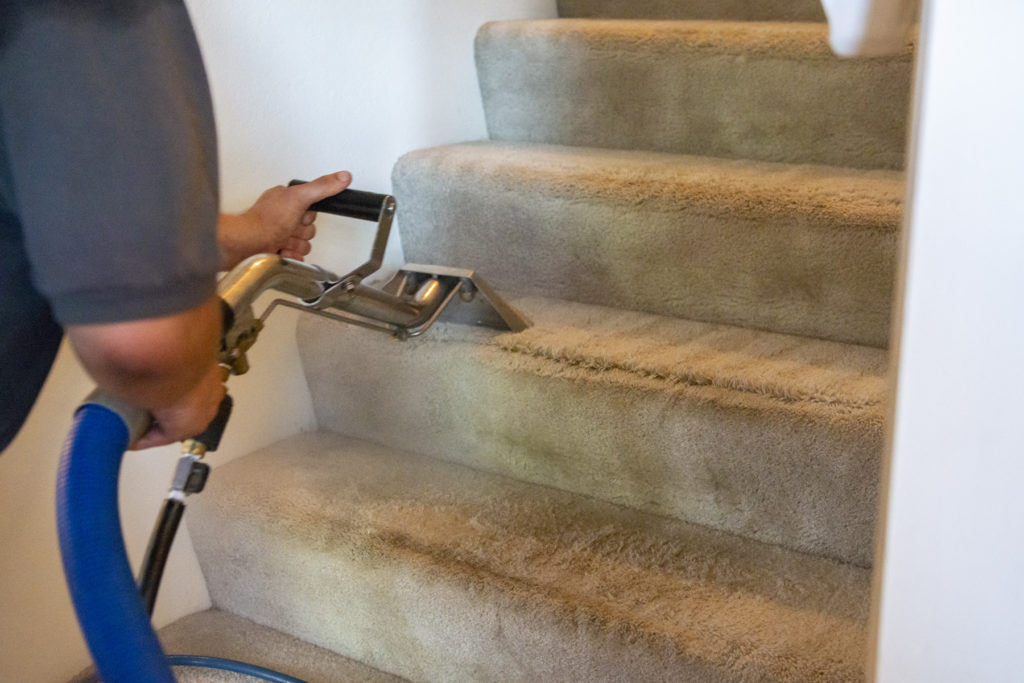

Bedrooms tend to look clean long before they actually are. The bed is made, laundry is in the hamper, and the windowsills get a quick wipe. Meanwhile, the carpet beneath all of that quiet order collects the kind of debris people rarely notice until it starts affecting comfort, odor, or sleep quality. Dust, pollen, skin flakes, pet dander, fine soil from shoes, and the occasional spill all settle into carpet fibers over time. In a room where people spend six to nine hours every night, that buildup matters more than it does in many other parts of the house.
That is why Carpet Cleaning Greeley CO plays a practical role in bedroom hygiene. A properly cleaned carpet does more than improve appearance. It changes how a room feels, how it smells, and in many homes, how easy it is to keep allergies and irritation under control. Clean bedroom carpet also supports the life of the flooring itself, which is no small concern given what carpet replacement costs now.
People often think of carpet cleaning as a once-a-year cosmetic service, something to schedule before guests arrive or after a Carpet Cleaning Greeley CO visible mess. In bedrooms, the reality is different. This is one of the most personal spaces in the home, and the carpet acts almost like a filter. It catches what would otherwise stay airborne, but eventually that filter gets overloaded. Once it does, each step can push particles back into the room.
What settles into bedroom carpet, even in tidy homes
Most bedrooms see lighter foot traffic than hallways and family rooms, but that does not mean they stay cleaner. In practice, bedroom carpets collect a specific mix of contaminants that can be Carpet Cleaning Greeley CO surprisingly stubborn.
A lot of it starts with what people carry in from the rest of the house. Bare feet, slippers, socks, and pets move oils and fine debris from one room to another. Open windows bring in dust and seasonal pollen. HVAC systems circulate particles continuously, and carpet catches a share of them. Then there is the material the room itself generates. Humans shed skin cells every day, and bedding fibers break down and drift downward. If someone uses body lotion before bed, or hair products in the bedroom mirror, some of that residue eventually lands in the pile as well.
In homes with children, the mix broadens quickly. Cracker crumbs, craft debris, glitter, tracked mud, and juice drips often end up at the edge of the bed or near a dresser. In homes with pets, the carpet becomes a magnet for fur, dander, and occasional accidents, even from well-trained animals. One of the more common situations I have seen in bedrooms is not a dramatic stain, but a dull gray traffic pattern around the sides of the bed. It comes from repeated contact, body oils from bare feet, and fine dust compacted into the carpet over months.
That kind of buildup rarely responds well to vacuuming alone.
Why bedrooms deserve special attention
People are generally more sensitive in bedrooms than in active living spaces. They lie close to the floor when making beds, folding laundry, or playing with children. They breathe in the same environment for hours without much movement or ventilation. If the room has carpet that holds dust and allergens, symptoms often show up at night or first thing in the morning.
It is common for homeowners to connect sneezing to outdoor pollen but miss the role carpet plays indoors. Carpet can trap airborne particles, which is helpful to a point. The problem comes when those particles accumulate faster than routine maintenance removes them. Walking across the room, dropping laundry on the floor, or even the airflow from a ceiling fan can disturb what is embedded near the surface.
This is especially relevant in a place like Greeley, where seasonal shifts, dry conditions, and wind can bring a fair amount of dust indoors. Homes near open areas, fields, or active roads often see this even more clearly. Residents may vacuum often and still notice that bedroom air feels stale, or that socks come away dirty after walking on supposedly clean carpet. Those are usually signs that dry soil and residue are building below the surface.
The link between carpet cleanliness and sleep comfort
A cleaner bedroom usually feels calmer, but there is more to it than psychology. Odors trapped in carpet can subtly affect how restful a room feels. Dust and dander can aggravate the nose and throat enough to interfere with sleep. Even texture matters. Freshly cleaned carpet underfoot changes the sensory experience of the room. It feels softer, less sticky, and less gritty.
People sometimes underestimate how much odor carpet can hold. Bedrooms absorb sweat, body oils, pet smells, and stale air. If the room has ever had a humidifier spill, a damp towel left on the floor, or a pet accident that was only surface-treated, odor molecules can linger well below the visible layer. Air fresheners often mask the issue for a day or two. Professional cleaning addresses the source instead of layering fragrance over residue.
There is also the matter of sleep routines. Parents with young children spend a lot of time sitting or kneeling on bedroom carpet. So do pet owners whose animals sleep in the room. If the carpet is truly clean, those routines become more comfortable and less concerning. That benefit may be quiet, but it is real.
Vacuuming helps, but it has limits
Routine vacuuming remains essential. It removes dry soil before it works deeper into the fibers and backing. Still, a vacuum does not fully solve what builds up in bedroom carpet over time.
Fine particles can bond with oils and residue, especially in rooms where people walk barefoot. Once that happens, even a strong vacuum struggles to lift the compacted material. Spots from drinks, cosmetics, or pet incidents can wick downward. By the time a stain becomes visible, some of the problem may already be below the surface. That is one reason a carpet can look passable but still smell off or feel heavy.
I have also seen homeowners vacuum aggressively in an effort to restore carpet brightness, only to find the traffic areas remain dingy. Usually the issue is not that they missed dirt. It is that the soil has become embedded and needs extraction, agitation, or specialized treatment. In bedrooms, where carpet often has plush or medium pile, trapped debris can hide particularly well.
What professional carpet cleaning changes
The difference between standard upkeep and professional service is not only stronger equipment. It is also the process. A good cleaner evaluates fiber type, soil load, stain history, and drying conditions before choosing how to treat the room. That judgment matters. Bedroom carpets are often more delicate than utility spaces because homeowners choose softer textures there, and soft carpet can respond poorly to over-wetting or harsh chemistry.
Professional Carpet Cleaning Greeley CO services typically aim to remove dry soil first, loosen impacted debris, treat spots appropriately, and then extract suspended soil and residue. If the technician takes the time to precondition high-contact zones like the bedside edges, under-window areas, and pathways to closets, the results are usually much better than a simple pass with a machine.
Drying matters too. A bedroom is not the best place for lingering moisture. If carpet is left overly wet, especially in a room with limited airflow, odors can return and the backing can stay damp longer than it should. Experienced cleaners pay attention to airflow, extraction quality, and the amount of solution used. That is not glamorous work, but it is what separates a genuinely clean carpet from one that just looks brighter for a few days.
Bedrooms with kids and pets need a different level of judgment
Not every bedroom carpet should be treated the same way. A guest room may only need periodic maintenance. A child’s bedroom or a primary bedroom with pets often needs a more strategic schedule.
In a child’s room, spills tend to be sugary or protein-based, and both can attract additional soil if not rinsed out thoroughly. Craft materials can leave dye transfer or adhesive residue. In teen bedrooms, cosmetics and hair products are frequent culprits. In pet-friendly bedrooms, oils from fur and repeated contact can create darker zones around the bed or by the door. Pet accidents, even isolated ones, deserve careful treatment because the visible mark is often smaller than the affected area beneath it.
The trick is not to overreact to every mark with strong retail spot removers. That often creates a bigger cleaning challenge later. Many store products leave behind residue that turns into rapid resoiling. Some can even set certain stains or bleach the dye if misused. In bedrooms where comfort and indoor air quality matter, simpler is usually better until a proper cleaning can be done.
Signs a bedroom carpet needs more than routine upkeep
You do not need a dramatic stain to justify professional cleaning. The quieter signs are often more useful.
- The room smells stale even after sheets are washed and windows are opened.
- Allergy symptoms feel stronger in the bedroom than elsewhere in the house.
- Carpet near the bed looks darker or feels matted compared with less-used areas.
- Socks or bare feet pick up fine dust after walking across the room.
- Old spots seem to disappear and reappear, especially after humid days.
When two or three of those signs show up together, the carpet is usually carrying more contamination than it appears to on the surface.
Why local conditions in Greeley matter
Cleaning methods are not one-size-fits-all, and local conditions shape what bedrooms need. Greeley homes deal with a mix of dry dust, seasonal allergens, and temperature swings that can change how a carpet behaves from one month to the next. During drier stretches, static and fine soil can make carpet seem dusty shortly after vacuuming. During wetter periods, tracked-in grime can bond more quickly to fibers, especially at entry-adjacent bedrooms or main-floor rooms.
Another local factor is how often windows are opened. Plenty of homeowners like fresh air in the evening, especially during milder seasons. That habit has benefits, but it also invites in airborne particles that settle where the room is still and undisturbed. Bedrooms are exactly that kind of environment. Dust accumulates quietly under beds, around baseboards, and in carpet seams where the vacuum head may not reach effectively.
This is where working with a provider familiar with Carpet Cleaning Greeley CO can be helpful. Local experience tends to sharpen judgment about soil types, drying times, and what homeowners are really dealing with season to season. A cleaner who understands the area is less likely to treat a dusty bedroom the same way they would a heavily soiled family room, and more likely to recommend a schedule that reflects actual use.
The question homeowners ask most often, how often is enough?
There is no honest one-size answer, but there are patterns that hold up in real homes. A low-use guest room might do fine with professional cleaning every 12 to 18 months if it is vacuumed regularly and kept dry. A primary bedroom usually benefits from service closer to every 9 to 12 months. Bedrooms with pets, children, or known allergy issues often do best on a 6 to 9 month cycle.
That range is not about selling frequency. It reflects how carpet performs as a reservoir. Once enough particulate matter and residue build up, the room starts to work against your regular cleaning efforts. You vacuum, dust, wash bedding, and still feel like the space gets stale too quickly. That is often the cue that the carpet is overdue.
Homeowners also ask whether they should clean the whole house at once or focus on bedrooms separately. If budget allows, whole-home service is efficient. If not, bedrooms can absolutely be prioritized, especially if someone in the household has allergies, asthma, or sensitivity to odors. In many homes, cleaning the primary bedroom and children’s rooms first delivers the most noticeable comfort improvement.
Choosing the right approach for bedroom carpets
Method matters, but so does execution. Hot water extraction is commonly used and can be very effective when performed correctly. Low-moisture methods can also make sense in certain situations, especially where quick dry times are essential. The right choice depends on fiber type, the depth of soiling, stain conditions, and whether odor treatment is needed.
What matters most is not brand names or flashy claims. It is whether the provider explains their process clearly, inspects the room, and sets realistic expectations. Not every stain will vanish completely. Sun fading cannot be cleaned away. Some old pet damage may improve more than it disappears. A professional who says so plainly is usually the one worth trusting.
Here are a few practical questions worth asking before booking:
- How will you handle spots from pets, cosmetics, or old spills?
- What dry time should I expect in a bedroom with average airflow?
- Is your process safe for the carpet type and any stain protection already on it?
- Do you move light furniture, or should the room be cleared in advance?
- What can I do after the cleaning to keep the carpet in better shape longer?
Those questions tend to reveal whether the company is thoughtful about the room itself, not just the appointment slot.
Small habits that keep bedroom carpet cleaner between professional visits
Professional cleaning works best when daily habits support it. Bedrooms do not need elaborate maintenance, but they do benefit from consistency.
Removing shoes before entering makes a visible difference over time, especially in lighter carpet. Vacuuming slowly, rather than rushing through a room once, improves soil removal more than many people expect. Changing HVAC filters on time helps reduce what settles back into the carpet. So does washing pet bedding and rotating area rugs near the bed if you use them.
One small habit I often recommend is checking the edges of the bed every couple of weeks. That is where early signs of buildup show first. If the pile starts to flatten, darken, or feel tacky, address it sooner rather than later. Soil that stays near the top of the fiber is easier to remove than soil that gets walked deeper into the carpet structure.
Humidity should be watched too. Bedrooms with humidifiers, attached bathrooms, or poor airflow can hold moisture longer than expected. Carpet does not need much dampness to develop a stale smell if the room stays closed up. Good airflow and prompt attention to spills go a long way.
Cleaner carpets support the whole feel of the room
A clean bedroom carpet changes more than the floor. The room tends to hold a fresher scent. Dusting becomes easier because less material is cycling back into the air. Bedding smells cleaner longer. The space simply feels more settled.
That result is especially noticeable after years of normal use. Homeowners sometimes get so accustomed to a room’s baseline smell and feel that they do not realize how much the carpet has been contributing until after a proper cleaning. Then the bedroom feels lighter, not because anything dramatic happened, but because the background burden was removed.
For households trying to create a healthier sleep environment, this is one of the more practical steps available. New bedding and air purifiers have their place, but if the carpet below continues to trap and release debris, the room is working at cross purposes. Carpet Cleaning Greeley CO supports cleaner bedrooms by dealing with that hidden layer directly, the one beneath the furniture, around the bed, and inside the fibers where routine tidying cannot reach.
A bedroom should be the easiest room in the house to relax in. When the carpet is clean in more than a visual sense, that becomes much easier.
TLC Carpet & Air Duct Cleaning
6380 W 10th St, Suite 7
Greeley, CO 80634
(970) 352-8176
FAQ About Carpet Cleaning Greeley CO
How much should a carpet cleaner cost in Greeley?
Pricing depends on the number and size of rooms, carpet condition, and add-ons such as stain treatment or stairs. Ask for an itemized quote.
How long will my carpet take to dry after cleaning?
Drying time varies with the carpet, cleaning method, humidity, and airflow. Ask the technician for an estimate and when to move furniture back.
How do I prepare my home for carpet cleaning?
Pick up small items, clear a path for equipment, and point out stains or delicate fibers. Ask the cleaner which furniture they can move and what needs to be moved before the visit.
Corrections
Spot something wrong? Send it to the desk and it gets fixed in the open.